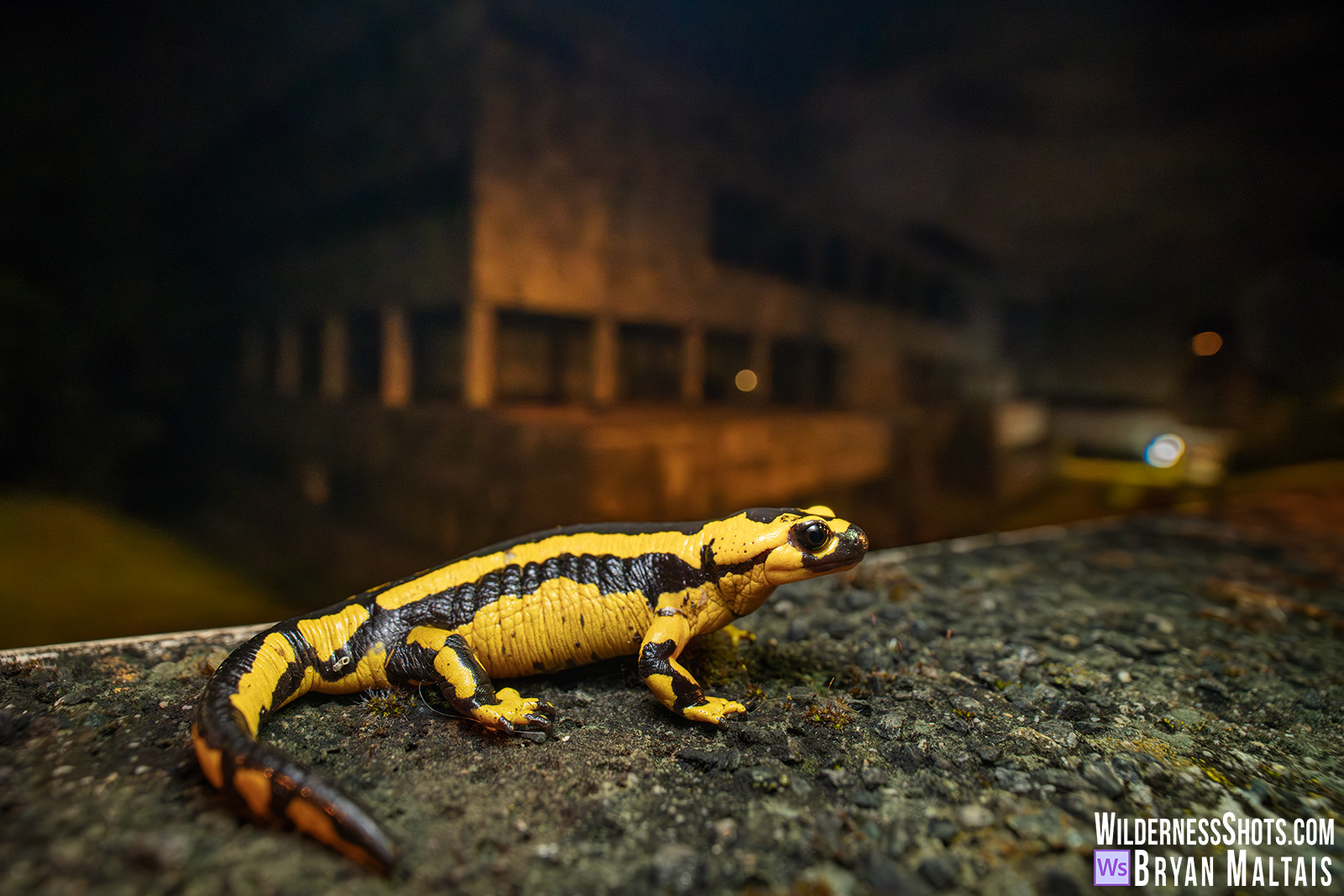
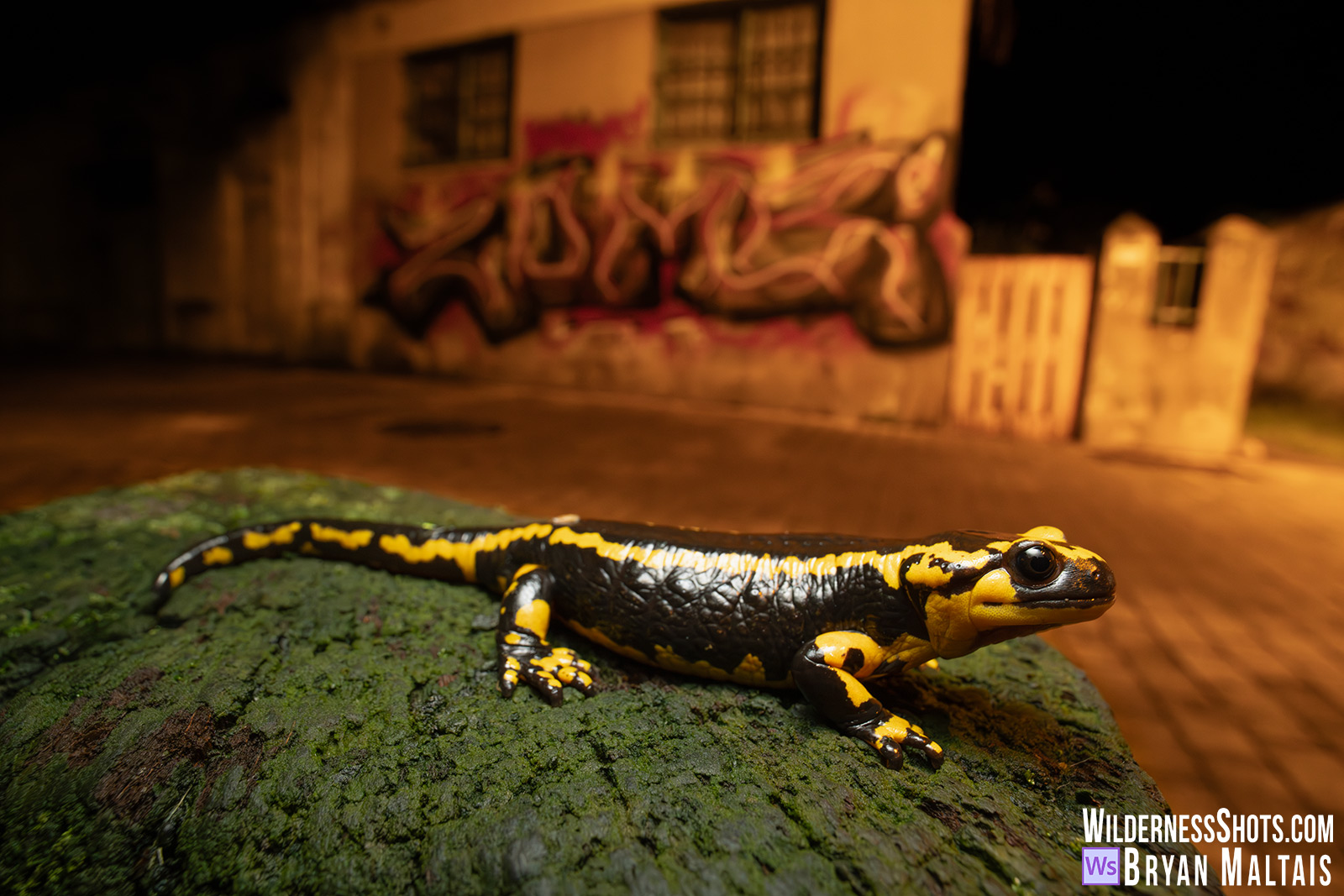
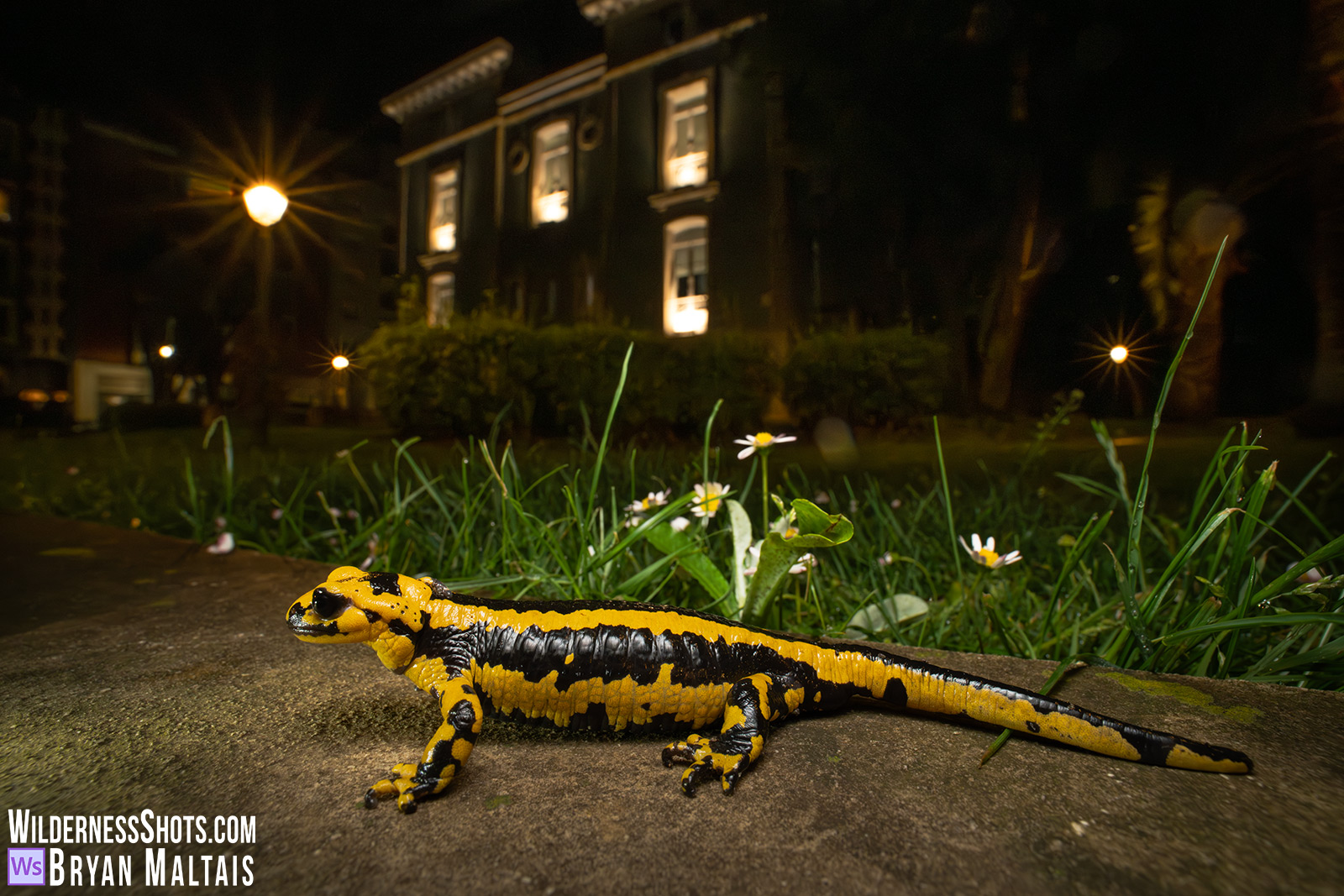
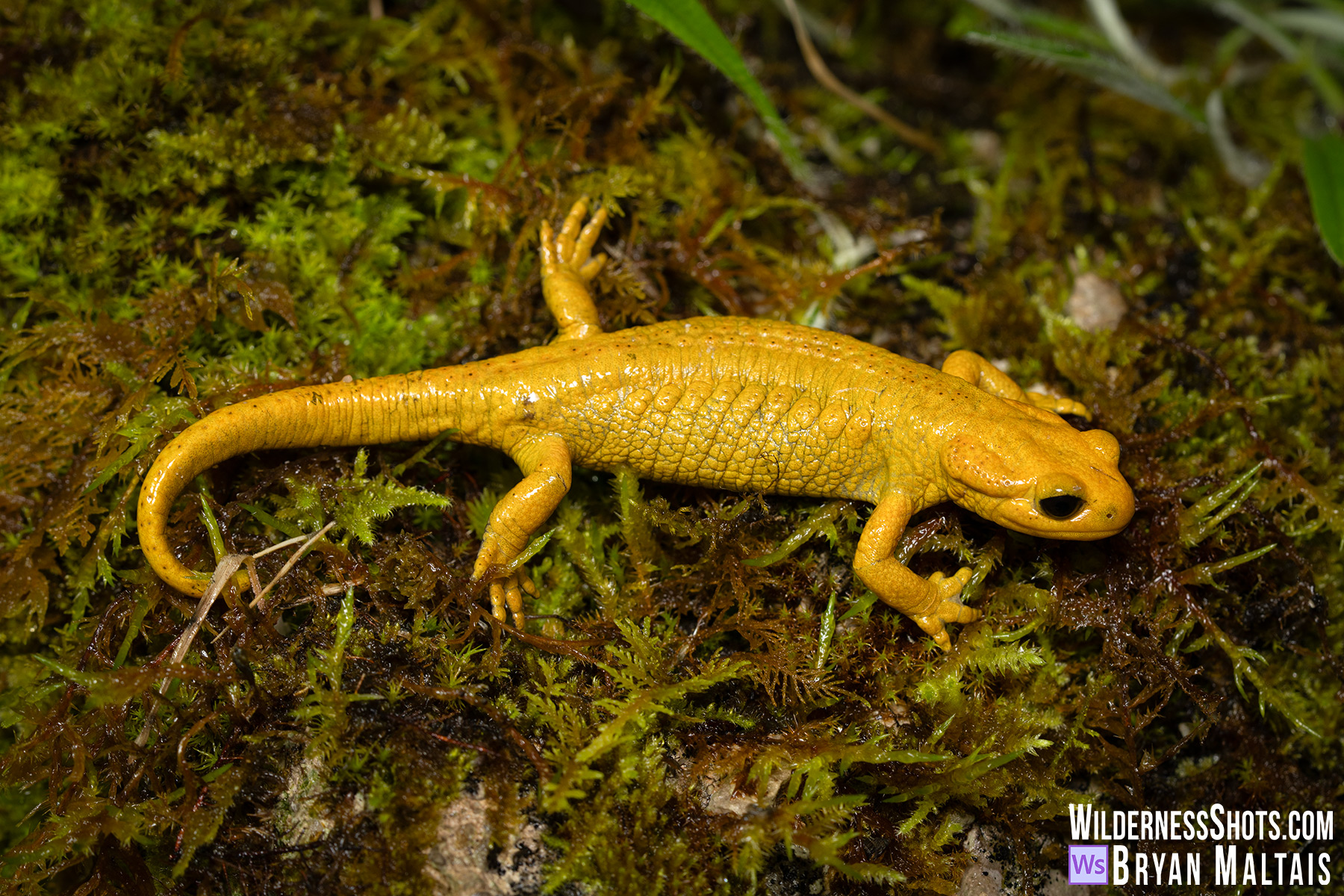
I recently returned from a trip to Northern Spain to observe the Oviedo Fire Salamander. Though various forms of the Fire Salamander inhabit much of the Old World, the Oviedo subspecies distinguishes itself by giving birth to fully formed young, obviating the need for breeding in bodies of water. Even more peculiar, one population found itself trapped in Oviedo (for which it is named) as the city was built up around it. They adapted to city life within only a few generations, showing behavior and modifications not apparent in other populations.
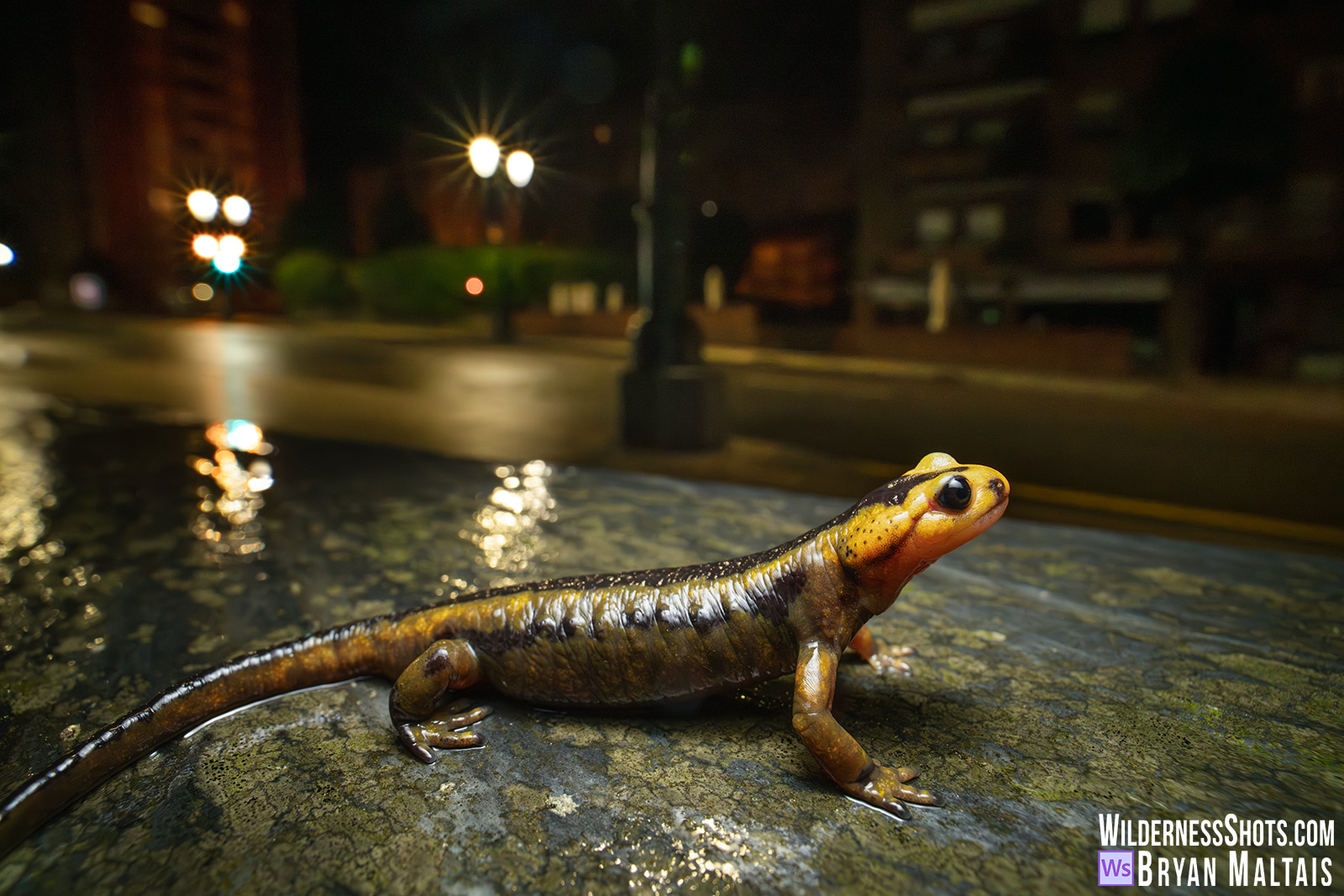
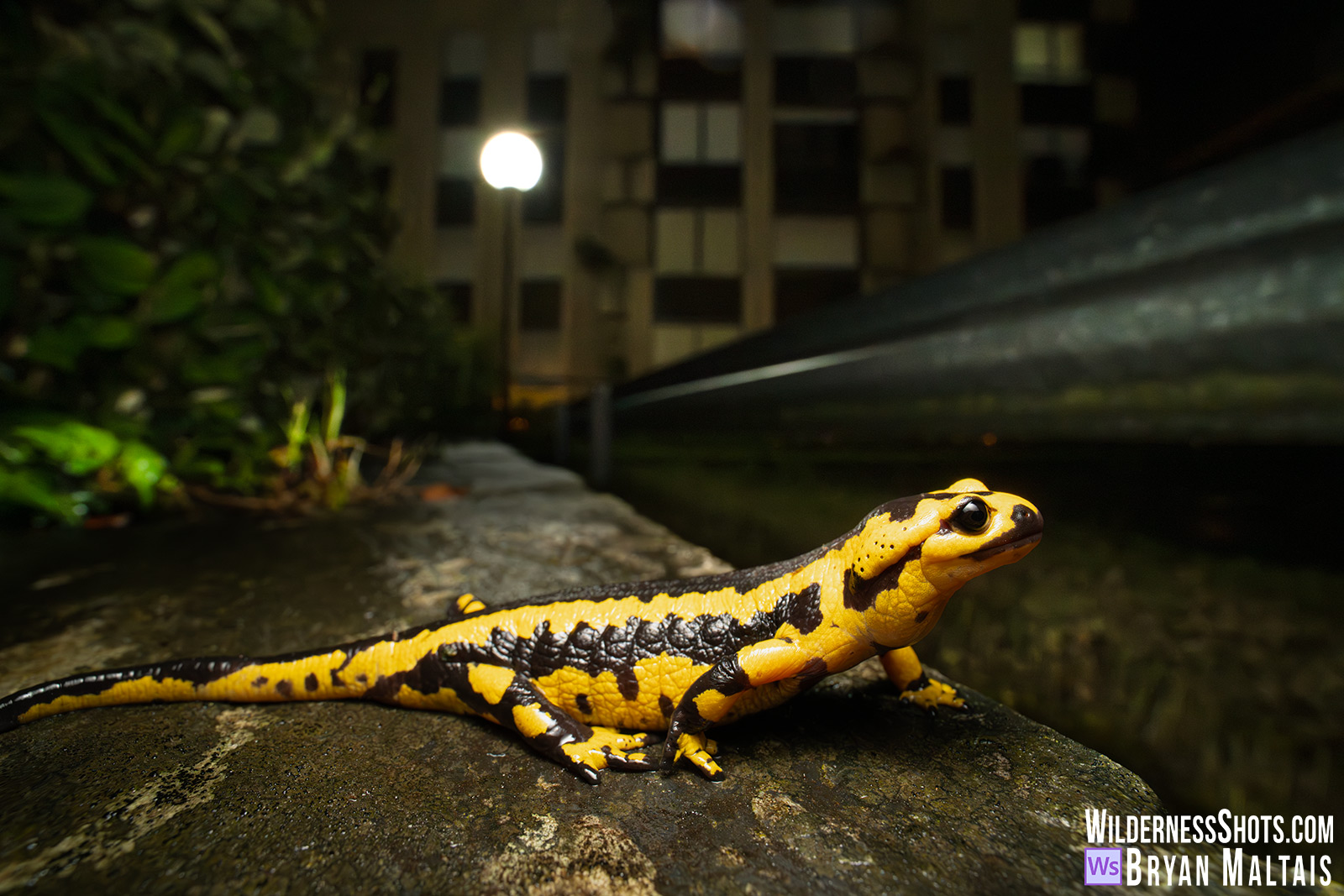
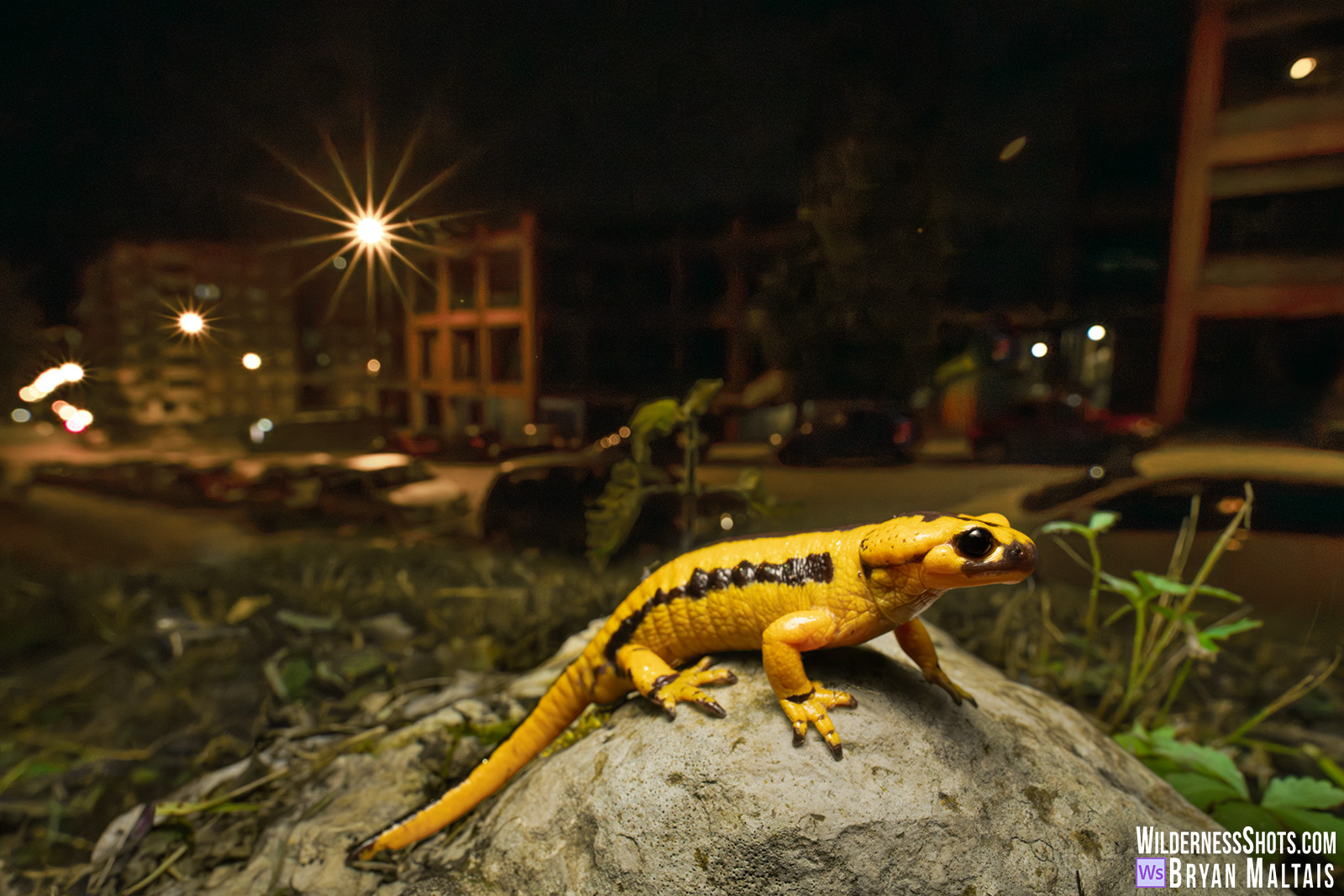
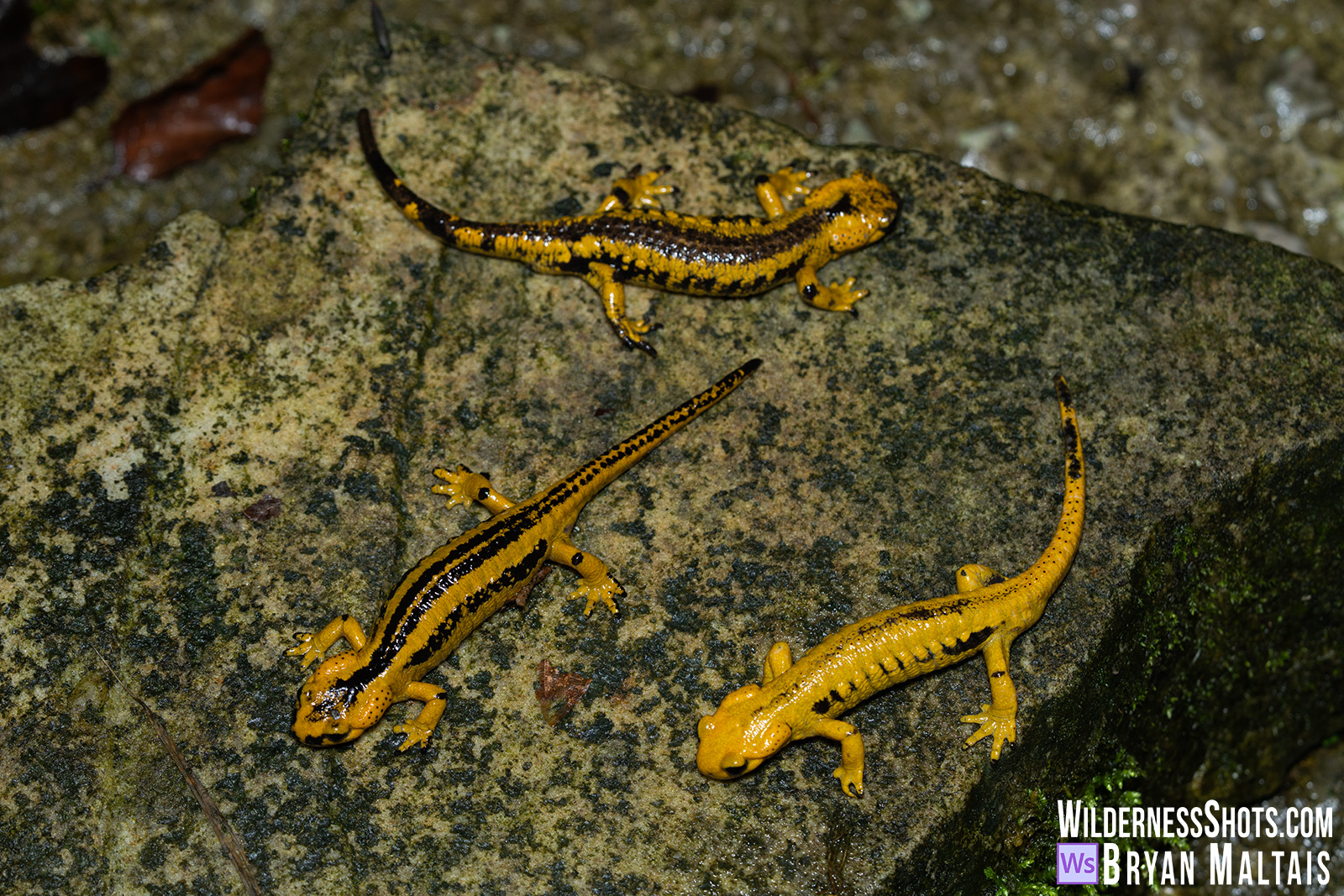
I went with my good friend and fellow amateur herpetologist Volker Kugel to witness these seemingly delicate wild creatures thriving in a bustling city. We headed out each night at 11:00pm at true dark. Luckily, nightly rain coaxed the salamanders out in this naturally moist, subtropical climate. We visited known salamander locations and stumbled across new ones. The salamanders were literally everywhere we looked with astounding diversity. Fully grown individuals were both large and small. Some were yellow striped, while others were entirely black or yellow.
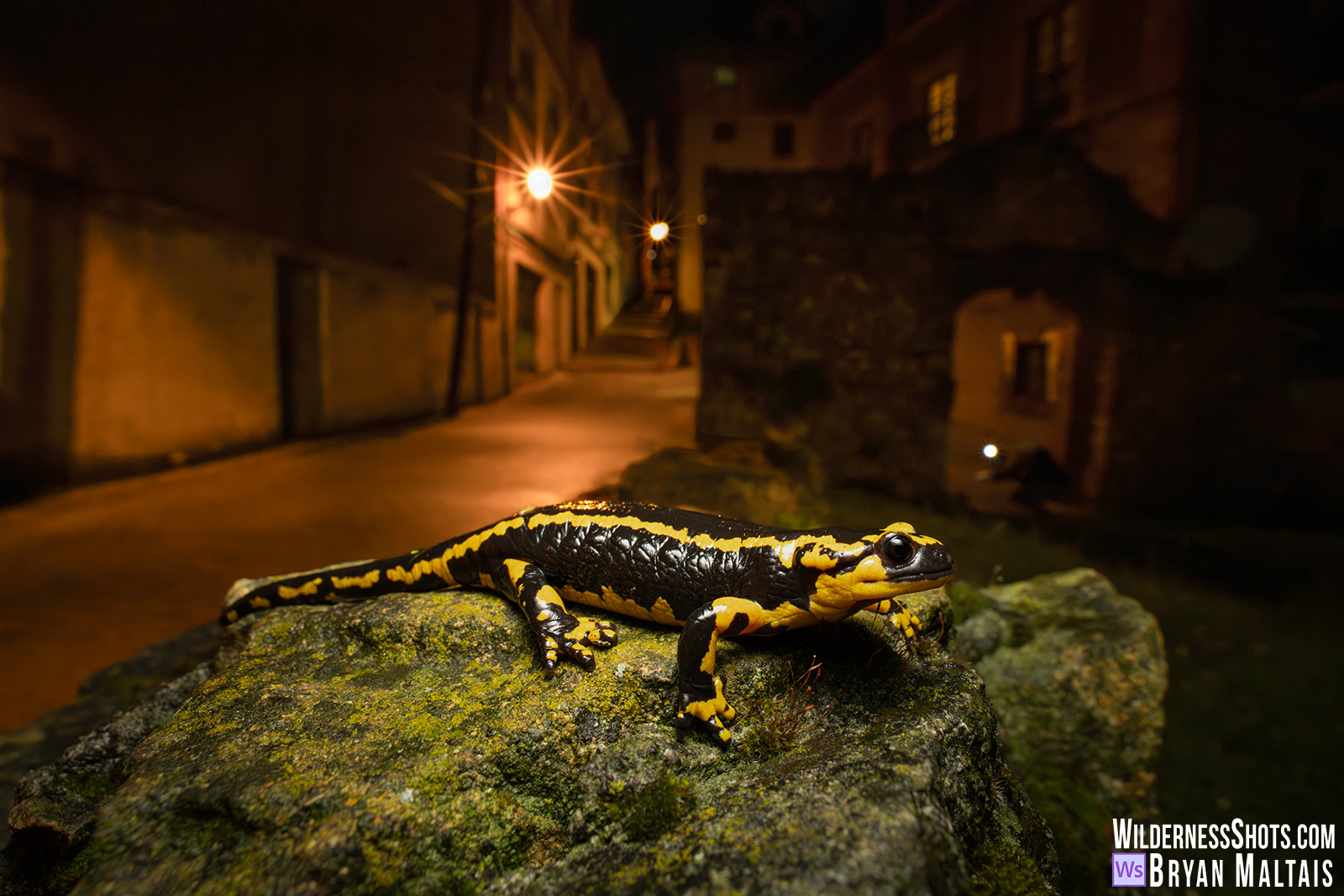
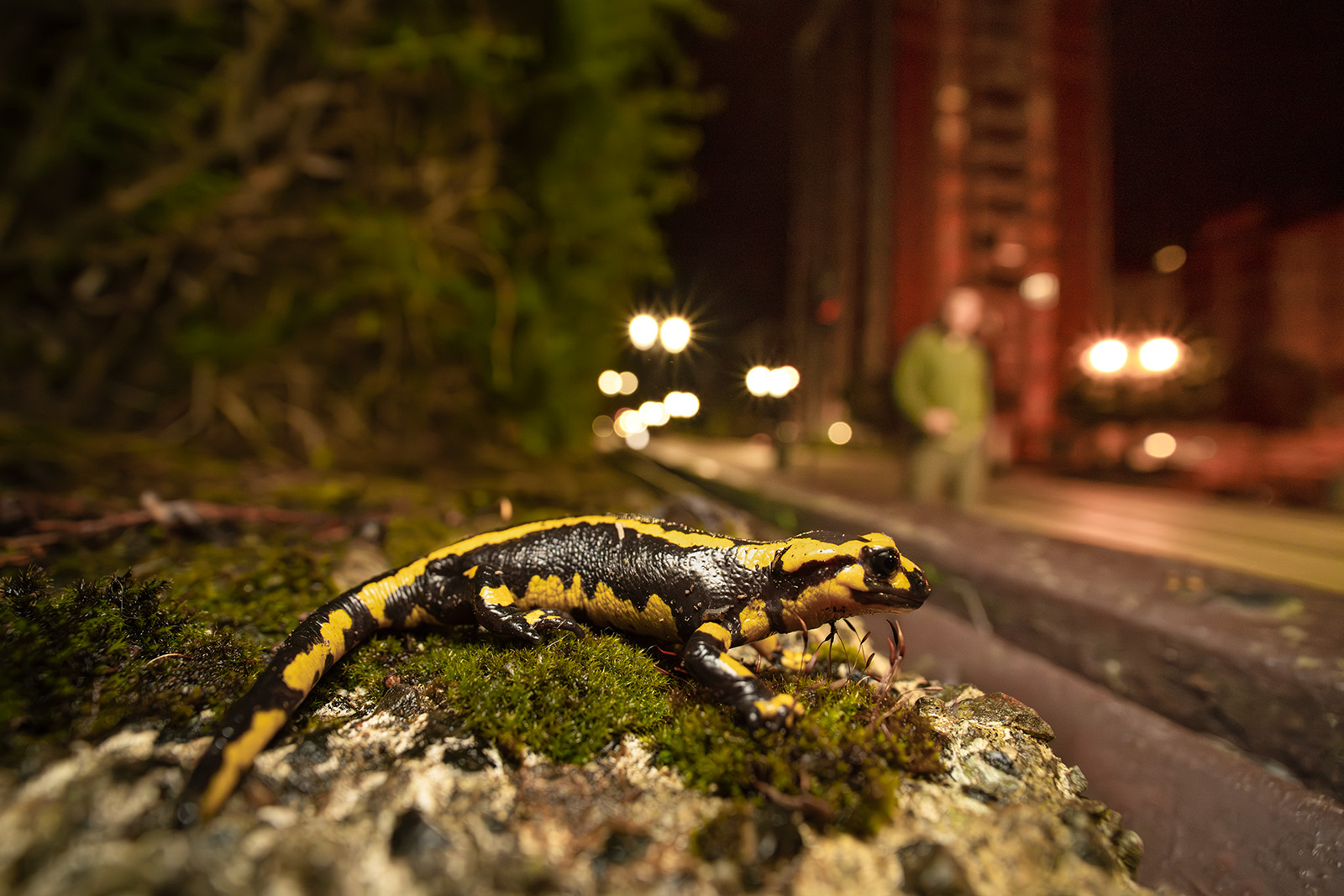
They lived on mere strips of grass between buildings, manicured lawns and church courtyards. Every location shared a common habitat feature; ancient stone walls where the salamanders lived. Each group was completely isolated from one another with no chance of dispersal across busy roads. I’ve observed Fire Salamanders all over Europe, and these exhibited noticeably distinct behavior adapted for the city. They didn’t wander, but emerged from their crevices and remained close. Typical Fire Salamanders tend to spastically flee in random directions when found, indiscriminately tumbling down hills or off logs. Oviedo salamanders purposefully ran back to their walls. If sitting atop a wall, they tended to stay put instead of tumbling down headfirst. These instincts prevented them from falling down curbs into the street.
This explains how they stay put, but how do such tiny green islands meet their ecological needs? My hypothesis is that it’s Northern Spain’s mild climate. It never freezes or dries out so salamanders don’t need deep burrows-their mossy walls suffice. Frequent rain also supplies constant food. In effect, an Oviedo Fire Salamander can pretty much spend its entire life simply stepping out from under its crevice, snapping up a rain worm and going back to bed. And with no reliance on water for reproduction, there’s no need for breeding migrations.
This adventure was the ideal opportunity to shoot in situ photos with the specialized Laowa 15mm wide-angle macro lens. Most photos taken at f/11, ISO 200, 1/250 sec, flash and diffuser.
Shop Camera Accessories on Amazon Prime (affiliate links):


 About Bryan Maltais- Fort Collins, CO
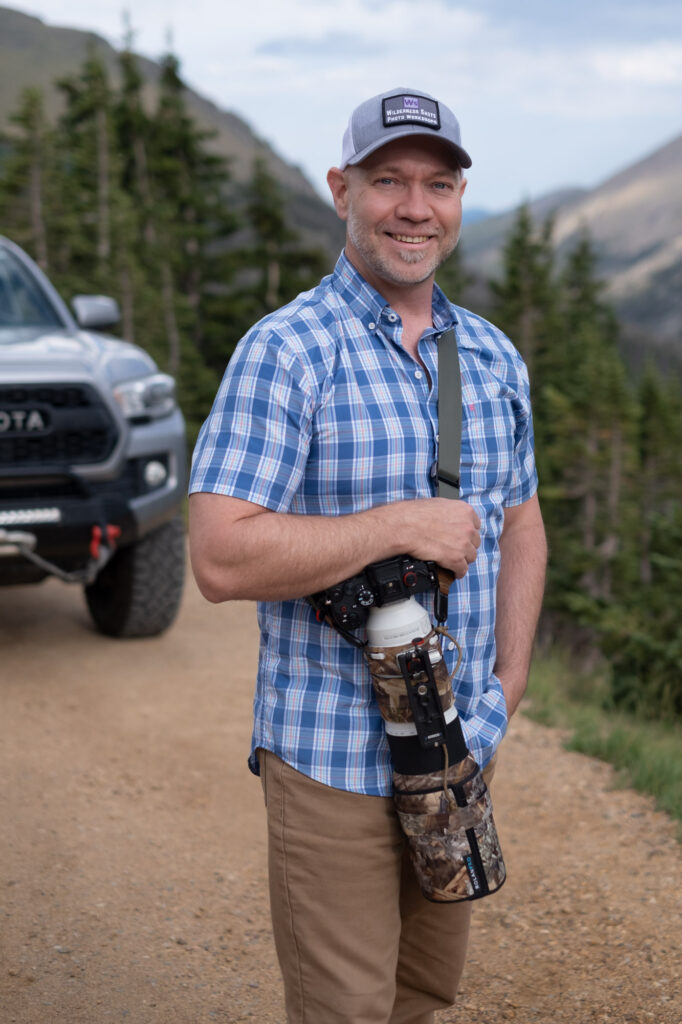 About Bryan Maltais- Fort Collins, CO
Bryan Maltais is an award-winning professional photographer, film-maker and founder of Wilderness Shots Photography Workshops. His images are displayed in spaces around the world and have been published in well known photography magazines and media channels. He’s also the author of “Infinite Horizons-The Complete Nature & Landscape Photography Guide“.
“I was addicted to exploring nature and observing animals very young, keeping terrariums full of insects and amphibians. Craving a camera to capture the beauty that I witnessed in nature, my dad gave me a manual Canon that he had lying around from 1970. A military brat, I grew up in Germany, New Jersey and Missouri. I received my BS in Wildlife Biology at the University of Missouri-Columbia. This gave me a good foundation for understanding the natural world. I also did a stint in the Army, which gave me a good foundation for tolerating insects and lack of sleep. My dream was to live in the Rocky Mountains, so after college I moved to Ft. Collins, Colorado where I still live today. Since then I’ve been shooting and documenting the American West and producing wildlife nature documentaries. My latest film is on Amazon Prime. My goal with nature photography workshops is to share knowledge, fun and adventure with others while enjoying nature. I currently shoot with Sony gear and have experience with all camera brands. When not photographing, I garden in my raised beds and teach 3-4 year olds in Sunday School.”